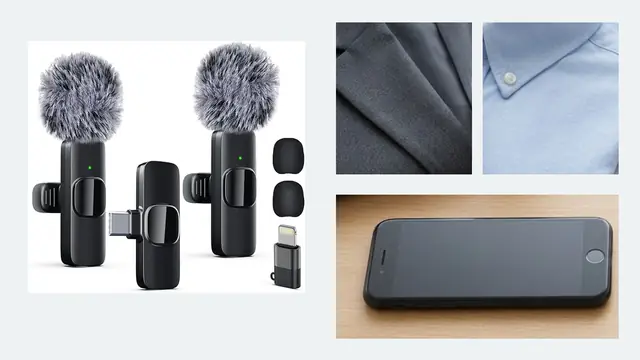
One speaker or two
A single-person talking-head video can use one transmitter. Interviews, street clips, and two-host shorts need two transmitters or the second voice will sound like background audio.
Phone creator audio
A wireless lavalier microphone helps most when the phone is already good enough for the image, but the voice still sounds distant, hollow, or buried under room noise. Mini Mic Pro B0CMJTSVRW fits the phone-first version of that problem: a compact kit with clip-on transmitters, small phone receivers, and wind covers for short videos, interviews, voiceovers, and quick creator work.
Phone videos fail for audio reasons that do not look dramatic on a product page. The phone may be on a tripod across the desk, the speaker may turn their head during an interview, or the scene may move from a quiet room to a sidewalk. A lavalier microphone is useful because it keeps the microphone close to the mouth while the camera can stay where the shot looks best.
That benefit has limits. A tiny wireless kit does not turn a noisy room into a treated studio, and a noise-reduction button cannot fix bad placement, rubbing clothing, or a receiver plugged into the wrong phone port. The practical buying decision is not "does this say noise cancelling?" It is whether the kit matches the recording distance, number of speakers, phone connector, and amount of control the creator needs.
A single-person talking-head video can use one transmitter. Interviews, street clips, and two-host shorts need two transmitters or the second voice will sound like background audio.
USB-C, Lightning, and camera receivers are not interchangeable. A kit is only simple if the receiver matches the device used most often.
Beginner phone kits emphasize plug-and-play speed. Camera or production kits add monitoring, gain control, backup recording, or longer battery plans.
Wind, traffic, air conditioning, and hard rooms need different tactics. Wind covers help outdoors; room echo usually needs better placement and softer surroundings.
The transmitter must sit close enough to the mouth while avoiding jewelry, jacket zippers, hair, and fabric rub. Bad clipping can ruin a good mic.
A kit used for short videos must be easy to find, charge, and pack. Loose adapters are a real failure point for phone creators.
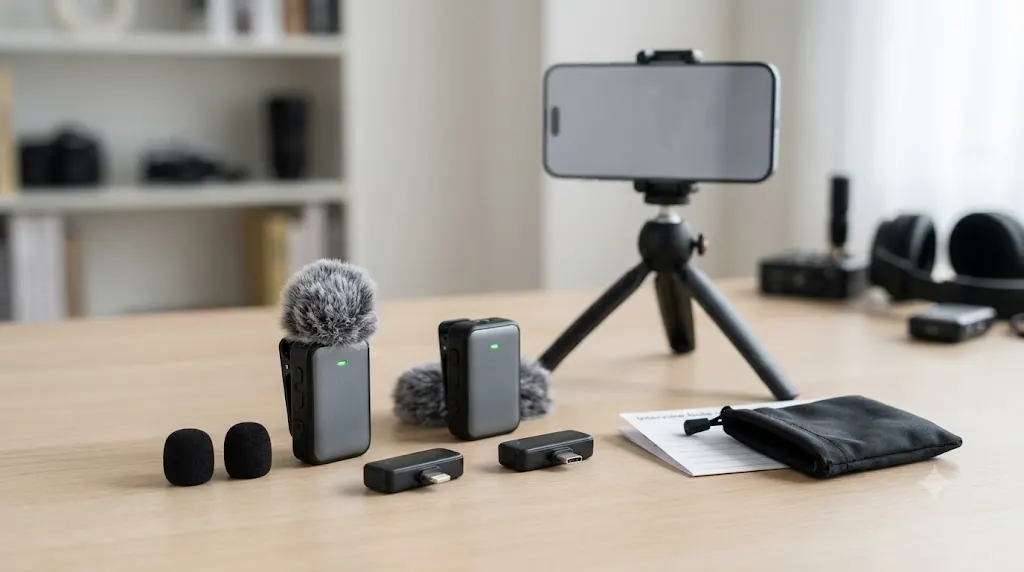
The main reason a lavalier microphone improves interview audio is distance. When a phone sits several feet away, it records the voice plus the room. The farther the speaker is from the phone mic, the more the recording includes reflections, keyboard taps, HVAC hum, traffic, and other voices. A lavalier clipped near the speaker changes the balance. The voice becomes the closest sound source, so it has a better chance of staying clear even when the camera angle changes.
DJI's interview-audio guidance makes the same practical point: a wireless lavalier stays attached to the speaker, so the mouth-to-mic distance stays more consistent when the speaker turns, shifts in a chair, or moves through a scene. Shure's lavalier guidance also points buyers toward pattern, wired versus wireless choice, and placement instead of treating a lav mic as a magic accessory. For this page, those sources support the category mechanics. The Amazon listing supports the Mini Mic Pro kit identity and included phone-style hardware.
For Mini Mic Pro, the strongest use case is a creator who records quick phone videos and needs a repeatable close-mic setup without building a camera rig. Clip one transmitter on the speaker's upper chest, use the correct receiver for the phone, add the furry wind cover outdoors, and run a short test clip before the real take. That routine is basic, but it prevents the common failure: discovering after the shoot that the video looks fine while the voice sounds far away.
Wind is a physical problem before it is a software problem. Moving air hits the microphone capsule and creates low-frequency rumble that can drown out speech. Foam covers can help with light breath and indoor handling noise. Furry covers are more useful outdoors because they slow the air before it reaches the capsule. The Mini Mic Pro Amazon listing shows both furry windshields and small foam covers, which is one reason it fits a phone-video page better than a bare clip-on mic.
Noise reduction is different. It may reduce steady background sound, but aggressive processing can make speech thinner, clipped, or watery. For interviews, the cleaner method is usually to improve the signal before processing: clip the mic correctly, reduce rubbing, step away from the loudest noise, and record a short test. A beginner kit should be judged by whether it makes that routine easy, not by whether the product title promises a perfect studio voice.
There is also a social side to placement. A visible transmitter with a furry cover is obvious on camera. That is fine for creator shorts, product explainers, and field interviews where practical audio matters more than hiding the mic. For formal shoots, weddings, or brand work, a larger system with better mounting options and monitoring may be more appropriate. The small phone kit is a convenience tool; it is not always the discreet professional choice.
Many buyers compare lavalier microphones by range or battery life first. For phone recording, the first hard gate is connector fit. A USB-C receiver helps with current Android phones, many current iPhones, tablets, and laptops. A Lightning receiver still matters for older iPhones. A camera receiver or 3.5 mm output matters when the phone is not the main camera. If the wrong receiver is in the bag, the rest of the specs do not matter.
Mini Mic Pro's role is strongest when a creator wants phone compatibility without extra apps or Bluetooth pairing. That is a different promise from a more expensive camera-oriented system. Hollyland Lark M2 and SmallRig S70 can make more sense for users who move between phone, camera, and desktop work. A budget two-pack can make sense when the work is casual and short, but the user should be more careful about testing connection stability before important interviews.
The practical method is to write down the recording surfaces first: iPhone with Lightning, iPhone or Android with USB-C, mirrorless camera, laptop, or mixed device use. Then choose the kit that supports the main surface directly. Adapters can work, but every adapter adds one more small piece to lose and one more point that can fail during a fast shoot.
A solo creator can often solve audio with one transmitter and a phone receiver. Interviews are stricter. If only one speaker wears the mic, the second person will sound farther away, especially if the phone points at both people from a tripod. The result can feel uneven: one voice is intimate and clear, the other sounds like room audio. For interviews, two transmitters are not a luxury feature. They are often the minimum setup for balanced voices.
The Mini Mic Pro product identity observed for this page shows a dual-transmitter style kit with small receivers and wind protection. That makes it relevant to short interviews and two-person creator videos. Still, buyers should think about how the audio is mixed. Some kits combine both mics into one track; others offer more control in camera-based production. Phone-first creators may accept a simple mixed track because speed matters. Editors who need separate control over each speaker may want a more advanced system.
This is where the page's product set helps. The Mini Mic Pro is the compact phone-first anchor. Hollyland and SmallRig options represent broader creator systems. The budget two-pack represents the low-friction entry point. Comparing them by role is more useful than pretending they are all the same product because the titles contain "wireless lavalier microphone."
| Recording situation | What matters most | Best direction |
|---|---|---|
| Solo talking-head video at a desk | Close voice pickup, easy phone connection, low setup friction. | A compact phone-first lav kit such as Mini Mic Pro is a strong fit. |
| Two-person interview | Two transmitters, consistent distance for both speakers, quick test recording. | Use a dual-transmitter kit; avoid single-mic shortcuts unless the second voice is not important. |
| Outdoor short video | Wind protection, secure clip, short test clip, and realistic expectations about traffic noise. | Use furry wind covers and move away from loud sources before relying on noise reduction. |
| Phone plus camera recording | Receiver compatibility, monitoring, charging case, and future camera use. | Consider Hollyland or SmallRig-style systems instead of the smallest phone-only bundle. |
| Important paid shoot | Monitoring, backup, gain control, and failure recovery. | Move beyond basic plug-in kits unless someone can monitor and retake audio. |
Five same-intent options
These products stay close to the same task: wireless lavalier microphones for phone video, short creator work, and interviews. Desktop USB microphones, handheld mics, karaoke microphones, shotgun mics, and pure camera-rig systems were kept out of the visible set. The goal is to help the buyer decide whether a compact phone kit is enough or whether a broader creator system is the better match.
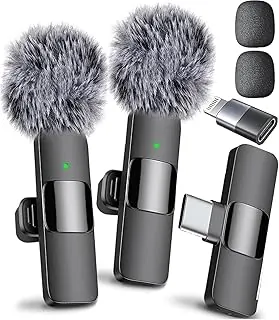
ASIN B0CMJTSVRW
Fits when: Best fit when a creator wants a small phone-first kit with Lightning and USB-C receiver options, two clip-on transmitters, furry wind protection, and a simple plug-in setup.
Skip when: Skip when the recording setup needs camera receiver monitoring, timecode, 32-bit float backup, or a more established pro ecosystem.
Check current price on Amazon
ASIN B0F3CV3RMQ
Fits when: Useful as a phone-first step-up comparison when the buyer wants a named creator-audio brand, USB-C receiver use, and longer claimed range than basic plug-in kits.
Skip when: Skip if the buyer needs Lightning support in the same simple bundle or wants to keep the kit as small and inexpensive as possible.
Check current price on Amazon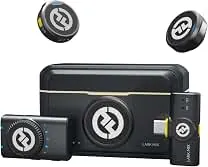
ASIN B0FZBS9RR4
Fits when: Fits creators who record across phone and camera setups and want a broader system than a phone-only lavalier kit.
Skip when: Skip when the main need is a low-friction phone interview kit rather than a multi-device creator system.
Check current price on Amazon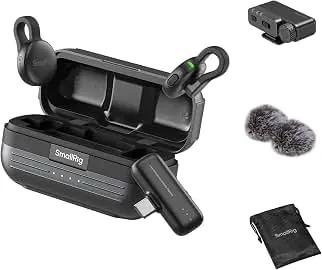
ASIN B0GJDFCK95
Fits when: Works as a creator-kit alternative when two transmitters, receiver flexibility, and a charging case matter more than the smallest possible phone adapter.
Skip when: Skip if the buyer only records vertical phone videos and does not need camera-oriented receiver options.
Check current price on Amazon
ASIN B0DDCHN5WW
Fits when: A budget-style same-intent option for simple phone interviews, short videos, and two-speaker recording when the buyer accepts fewer system features.
Skip when: Skip when reliability, receiver options, monitoring, or long recording sessions are more important than price.
Check current price on AmazonProduct links are sponsored links. Use Amazon for current availability, connector variants, included accessories, and final checkout details.
Mini Mic Pro is most convincing for creators who want a small phone-first kit they can keep in a bag. The two compact transmitters, furry wind covers, foam covers, and phone receivers line up with short videos, quick interviews, livestream snippets, and voiceover capture where speed matters. It is also easier to explain to a beginner than a camera receiver system with extra routing decisions.
The compromise is control. A simple phone kit is not the same thing as a production audio system. If the shoot cannot be repeated, if separate speaker tracks matter, if monitoring is required during recording, or if the camera is the main capture device, the safer answer is a higher-control wireless system. That does not make Mini Mic Pro weak. It defines the job it should be asked to do.
This page does not claim hands-on testing, measured range, battery verification, durability testing, or real ownership of the microphones. It uses the Amazon listing and product media to identify the Mini Mic Pro kit and its visible accessories. It uses DJI and Shure educational material to explain why lavalier placement, mouth-to-mic distance, and recording fit matter for interviews and video audio.
Amazon product titles, included accessories, connector bundles, and availability can change by variant. Before buying, check the exact Amazon listing for the receiver type, number of transmitters, wind covers, charging method, and device compatibility. Also check your phone case. Some plug-in receivers can be blocked by thick cases or recessed ports, which is not always obvious until the kit is in hand.
Often yes when the phone is more than arm's length away or the speaker moves. The lavalier keeps the microphone closer to the voice. In a quiet close-up selfie, the phone microphone may already be good enough.
Usually yes. Two transmitters keep both speakers close to a microphone. One transmitter can make the unmic'd person sound distant unless the interview is very close and controlled.
It can help with some steady background sound, but it is not a rescue plan. Wind protection, better mic placement, and moving away from noise usually matter more.
Buy the phone-only kit when most recording happens on a phone and speed matters. Choose a camera-ready system when monitoring, receiver flexibility, or multi-device production matters.
A compact wireless lavalier kit is the right purchase when the camera angle and the voice source need to separate. Mini Mic Pro belongs in that phone-first lane: quick setup, small parts, two-speaker potential, and visible wind protection. Choose a broader creator system when the work depends on monitoring, camera routing, separate tracks, or retakes that are expensive to lose.