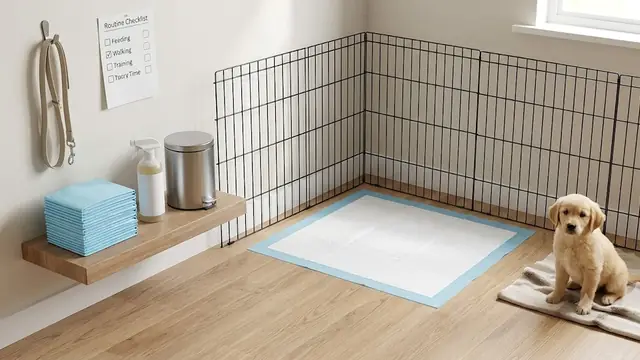
Usable box access
Enough quiet boxes in separate locations, sized and entered appropriately for each cat.
Choose the litter and box system together. Unscented does not remove waste odor, and low-tracking litter still needs enough boxes, daily scooping, and a managed exit path.
An unscented clumping litter can make a multi-cat box easier to scoop without adding perfume, but the bag alone does not determine how much litter reaches the floor. Tracking is the result of several things happening together: particle size and weight, the way each cat digs and exits, fur and paws, box shape, the surface outside the entrance, and how often the area is cleaned.
The same is true of odor. “Unscented” means the product is positioned without added fragrance; it does not make urine and feces odorless. Enough boxes, usable locations and daily waste removal remain the baseline. A multi-cat label cannot compensate for one crowded box that some cats avoid or for clumps left in place too long.
Choose the litter and the box system together. Before comparing products, check four things: whether every cat has reliable access to a suitable box, whether the cats accept the current texture, where granules actually leave the box, and whether the household can scoop every day. Those answers reveal whether a new litter is likely to help or merely move the problem.
A product change is easier to judge when access, preference, the exit path, and daily maintenance are checked separately.
Enough quiet boxes in separate locations, sized and entered appropriately for each cat.
A current acceptable texture remains available while a candidate litter is tested.
Observe where granules leave the box before changing the product or mat.
The household can scoop every day and inspect how clumps behave.
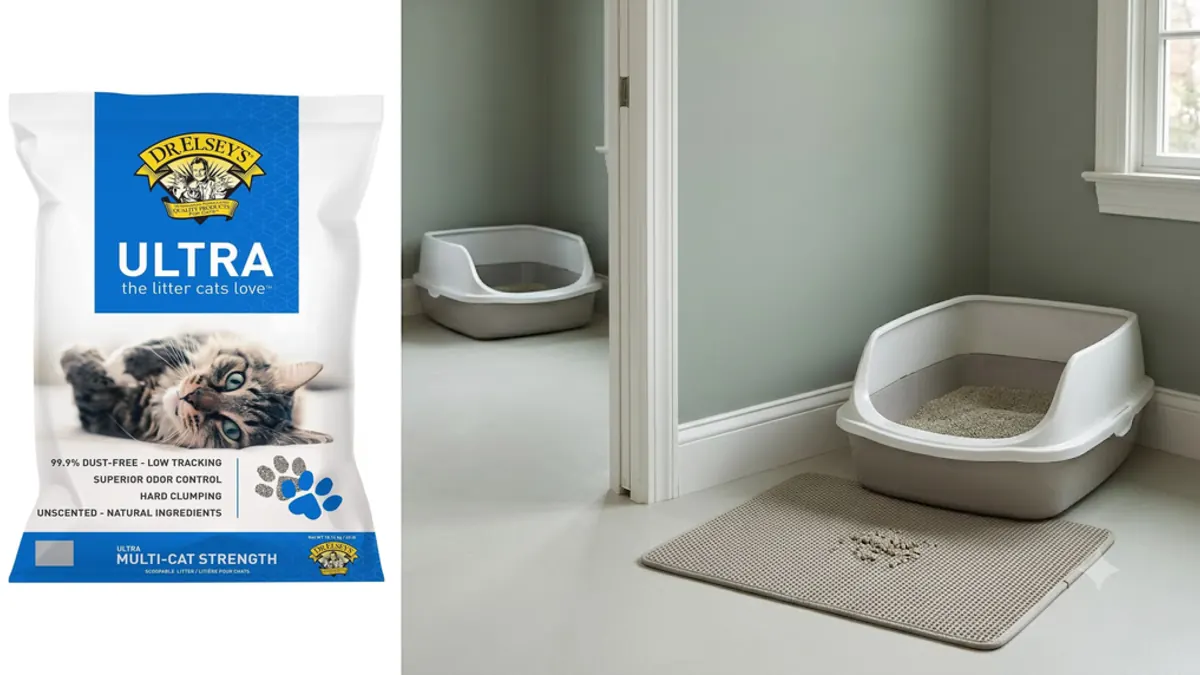
Low-tracking litter is a reasonable goal. Zero tracking is not. A granule can leave the box because it sticks between paw pads, catches in long fur, is kicked out during digging, rolls across a hard floor or remains on a cat after a fast jump over the box edge. A product label describes the litter; it cannot describe every cat, box entrance or floor plan.
Begin by observing the first few feet outside the box. Granules concentrated immediately in front of the entrance suggest a defined exit path that a properly sized mat and regular vacuuming can manage. Litter spread in several directions may indicate that cats leave from different sides of an open box, jump over the wall, or dig vigorously. Granules appearing in distant rooms can reflect material caught in fur or paws, but they can also be carried by household traffic and cleaning tools.
Particle design can change the pattern. Dense medium-grain clay tends to behave differently from a lightweight plant granule or a larger low-tracking clay particle. Larger or heavier pieces may be less likely to roll or cling in some setups, yet they may feel different under a cat's paws. A cat that dislikes the texture can avoid the box, perch on an edge or exit abruptly. The owner has reduced one kind of scatter only to create a larger acceptance problem.
Box design matters just as much. A very small box forces the cat to turn and dig in limited space. A high-sided box may contain kicked litter but can be difficult for a kitten, senior cat or a cat with mobility limits. A covered box changes the entrance path but may create an enclosed environment a cat dislikes. The best containment feature is useless if the box is not comfortable and accessible.
Place the mat where the cat actually exits, not where it looks balanced in the room. It should be large enough to catch several steps and easy enough to lift, vacuum and wash that it remains part of the routine. A mat is not a substitute for cleaning; it is a defined collection surface. If granules bypass it, adjust the entrance path or mat size before assuming the litter itself has failed.
Keep the box area quiet and usable. A washing machine that starts unexpectedly, a dog that blocks the route or a second cat that guards the doorway can make an otherwise neat setup unacceptable. Tracking, box avoidance and access conflict can overlap, so the solution may require a different location rather than a different bag.
The American Animal Hospital Association describes one litter box per cat plus one additional box as a useful rule of thumb. It also notes that boxes should be placed in different, quiet, accessible locations. In a home with three cats, four boxes crowded in one utility room do not provide the same choice as boxes distributed across usable locations.
The number is a starting point, not a rigid formula. Cats that share space comfortably may use several boxes without conflict. Cats in different social groups may need resources that are out of sight of one another. A home with several floors may need accessible options on more than one level. The purpose is reliable access and choice, not winning a box-count contest.
More boxes also distribute the waste load. An unscented litter has less fragrance competing with waste odor, so a heavily used box can smell sooner even when the product clumps well. Spreading use across several boxes and scooping daily gives odor control a better foundation than adding more litter to one overworked tray.
Size is another resource. AAHA guidance recommends a box roughly one and a half times the cat's length from nose to the tip of the tail. Many commercial boxes are smaller. A larger storage-style container may provide more turning and digging room, but its entry height must still fit the cat. Kittens, seniors and cats with mobility problems may need a lower entrance.
Each location needs an escape route. A cat should not have to pass another cat, a noisy appliance or a narrow dead end to leave. This matters in small apartments, where owners often hide all boxes in the same bathroom or closet. A discreet location is useful only if the cats can reach and use it without pressure.
When tracking increases after adding a cat, do not assume the existing litter formula suddenly changed. The same boxes may now be used more often, cats may dig over one another's waste, and the exit area may receive twice the traffic. Increase resources and cleaning before judging the product by a workload it was not previously handling.
Unscented litter avoids added perfume or deodorant positioning. That can suit cats and people who dislike fragrance, but it does not neutralize the physical source of litter-box odor. Urine, feces and contaminated litter still have to be removed. A clean-smelling fragrance can also hide the point at which a box needs attention without making the box more acceptable to the cat.
Dr. Elsey's describes Ultra as controlling odor without perfumes or deodorants. Treat that as the manufacturer's product positioning, not a promise that the room will remain odor-free for a fixed number of days. The number of cats, diet, hydration, health, box volume, litter depth, ventilation and scooping schedule all change what a household notices.
Daily scooping is the practical baseline in AAHA guidance. A high-use box may need attention more than once a day. The household should be able to remove urine clumps and feces without turning the litter into wet fragments or leaving contaminated material at the bottom. If the routine cannot keep up, a stronger marketing claim is unlikely to solve the underlying workload.
Regular box cleaning matters too. AAHA advises avoiding strong chemicals and notes that hot water is preferable for routine cleaning. Product directions and box materials still matter. Strongly scented cleaners can leave a smell a cat avoids, while damaged plastic can retain residue and become difficult to clean.
Persistent unusually strong odor, sudden changes in urination or defecation, straining, frequent box visits, vocalizing or house-soiling should not be treated as a litter-shopping problem. Those signs can have medical or behavioral causes. Seek veterinary guidance promptly rather than changing products repeatedly and delaying assessment.
The five products compared here use three broad routes: dense bentonite clay, clay with a stronger tracking-control or larger-particle story, and whole-kernel corn. Each changes texture, package weight, clumping behavior and disposal questions. None guarantees that a particular cat will accept it or that a floor will stay clean.
Dr. Elsey's Ultra combines heavy granule and medium-grain clay positioning in a 40-pound bag. That makes it a dense traditional-clay route. The bag's size can support several boxes, but it also creates a recurring lifting, storage and pouring task. A product can fit the cats while failing the person who has to move it.
Clean Tracks stays within the same brand and 40-pound clay format while emphasizing tracking control more directly. It is a logical comparison when a household likes Dr. Elsey's clay but wants a product designed around floor scatter. It is not independent proof that it will track less than Ultra in the same home.
Fresh Step Clean Paws uses larger-particle and activated-carbon positioning in a 22-pound unscented clay package. Larger particles may change paw carryout and rolling, while the smaller package changes handling. Carbon and ammonia-control language belongs to the product's odor strategy, not a substitute for daily removal.
World's Best uses whole-kernel corn and larger-granule positioning in a 15-pound bag. It offers a non-clay texture and lighter package. Claims about being safe, environmentally preferable or flushable need separate evidence and local boundaries. Plumbing, septic and wastewater rules can override a package statement, and a cat may simply prefer clay.
Cat's Pride UltraClean uses a lighter dual-clay story in two 15-pound packages. Smaller units may be easier to lift and store than one 40-pound bag. Percentage and duration claims on the listing still require caution; they are not measurements performed for this page.
Dust percentages are especially easy to overread. A 99% or 99.9% dust-free statement does not describe every pour, scoop, bag or cat's digging style. It also does not establish medical safety. Visible dust and respiratory symptoms are different questions. If a cat or person has symptoms, use qualified medical guidance rather than selecting a product from a percentage alone.
| Product route | What it changes | What it cannot prove |
|---|---|---|
| Dense medium-grain clay | traditional texture, hard-clump positioning, bulk 40 lb supply | no tracking, no dust or universal acceptance |
| Tracking-focused clay | product design centered more directly on floor scatter | independent improvement in this home |
| Larger-particle clay/carbon | particle and odor-control strategy in a 22 lb package | fixed odor duration or cat preference |
| Whole-kernel corn | non-clay texture and lighter package | universal safety, environmental advantage or flushability |
| Lighter dual-clay | smaller lifts and a different particle blend | verified percentages or a performance winner |
Clumping litter is useful because urine-bound material can be removed without emptying all clean litter. That benefit depends on the clump remaining intact long enough to scoop and on the box having enough clean material for normal digging. It is a maintenance system, not a one-time product feature.
Scoop daily and observe what happens. A clump that breaks apart immediately may have been disturbed too soon, formed in shallow litter, bonded to the bottom, or reflect the material itself. A clump that becomes a hard slab on the floor of the box may indicate insufficient depth, delayed removal or a box surface that needs attention. One observation cannot identify the cause, but it tells you what to test next.
Add litter according to the product and box instructions rather than repeatedly topping up a dirty base. Remove broken contaminated pieces. Watch whether the cat digs to the floor, urinates against an edge or uses one corner. The box shape and the cat's habits can create sticking even with a hard-clumping formula.
The word hard is not automatically better in every scenario. A firm clump can be easier to remove, but a very heavy clay clump increases the waste bag load and can be difficult in a mechanical box not designed for it. Automatic and sifting boxes have their own granule and clump requirements. Check the machine's current instructions instead of relying on a general product statement.
Keep a short, practical record during a change: which boxes use the new litter, which cats use them, whether clumps stay intact until the next scoop, how much litter appears on the mat and whether any cat avoids a box. This is a household fit test, not a product performance study. It gives you enough information to avoid changing three variables at once.
AAHA notes that individual litter preferences are documented and suggests offering different litters in separate boxes when testing choices. This is safer than emptying every box and replacing the substrate overnight. A cat that dislikes the new texture still has an acceptable place to eliminate.
Use two otherwise similar, clean boxes in comparable accessible locations when possible. Put the current litter in one and the candidate in the other. Avoid interpreting one visit as a final result. Observe repeated use, digging, entry and exit over time while maintaining both boxes equally. If one box is dirtier or less accessible, the comparison is not about litter preference anymore.
Some cats accept a new material immediately. Others need a gradual transition. There is no universal schedule in the sources used here, so do not force a fixed seven-day formula on every household. Keep the existing acceptable option available while introducing the new litter, unless a veterinarian gives different instructions.
Litter-box avoidance is not a reason to punish a cat or carry it to the box as a reprimand. A sudden change can involve pain, urinary disease, gastrointestinal problems, stress, access conflict or an unsuitable box. If a cat strains, urinates frequently, cries, produces little urine, stops using the box or changes behavior abruptly, seek veterinary help.
Preference testing also protects against buying by owner convenience alone. A lighter bag, lower tracking claim or easier scoop is valuable only if the cats use the box reliably. The product decision belongs to both sides of the routine.
Links in this comparison may earn this site a commission. Product details and current prices are shown on Amazon.
These products are not ranked by tracking, dust, odor or clump strength. No independent side-by-side test was performed. The cards show how material, particles and package handling create different fits.

Where it fits: The cats accept dense medium-grain clay, the household wants unscented hard-clumping positioning, several conventional boxes need supply, and someone can safely lift, store and pour a 40-pound bag.
Skip when: The package is too heavy, a cat rejects the texture, floor scatter remains the dominant problem after the box/exit path is corrected, or the household wants a non-clay material.
Amazon and Dr. Elsey's establish the exact 40-pound natural/bentonite clay identity and manufacturer positioning. They do not prove a dust, tracking, odor or clump-strength advantage.
Check current price on Amazon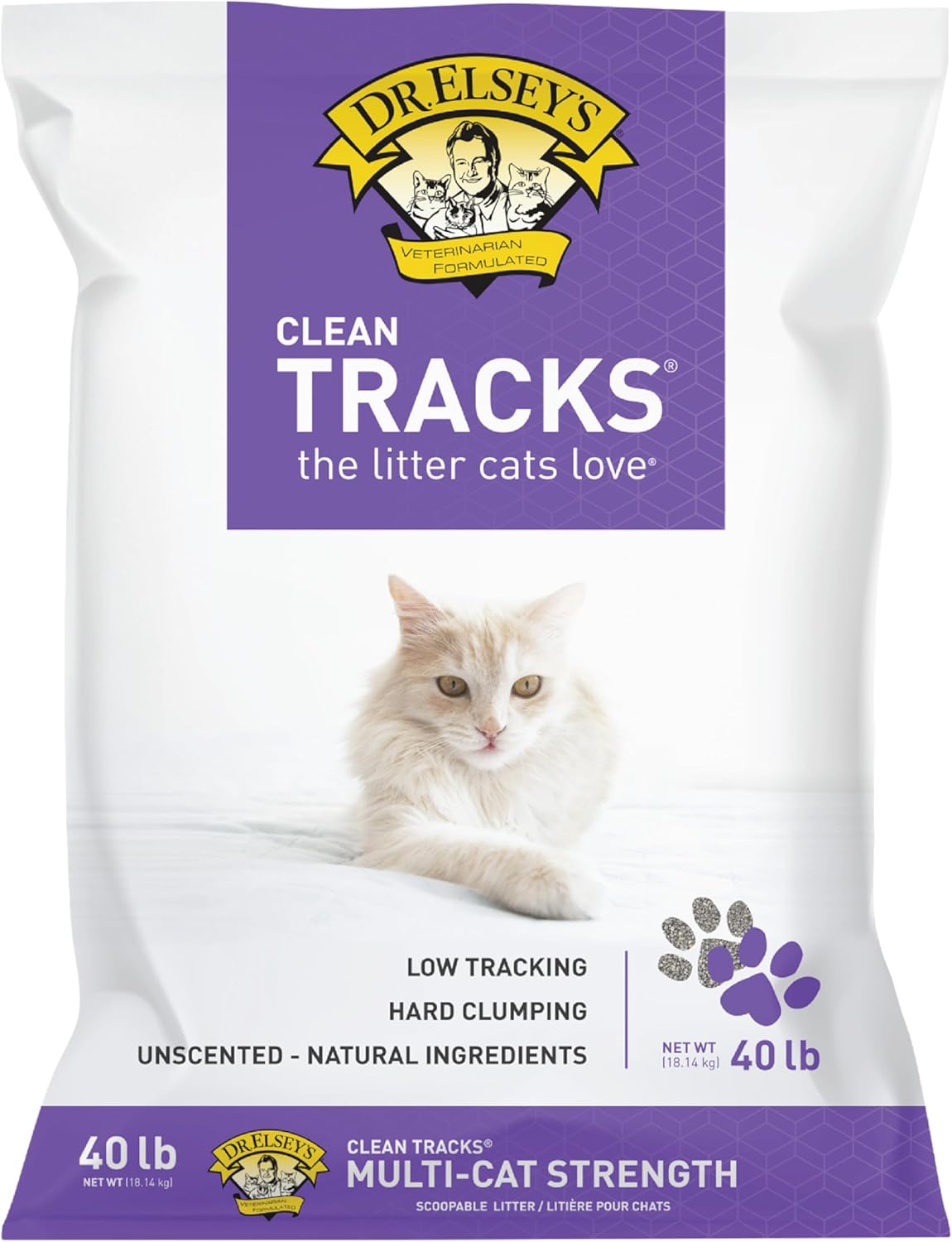
Where it fits: The household likes a dense Dr. Elsey's clay format but wants the product choice to emphasize tracking control more directly.
Skip when: The heavy bag is the problem, a different material is needed, or the decision requires independent proof that Clean Tracks outperforms Ultra in the same boxes.
The listing supports the clay and low-tracking positioning. It is not a controlled comparison.
Check current price on Amazon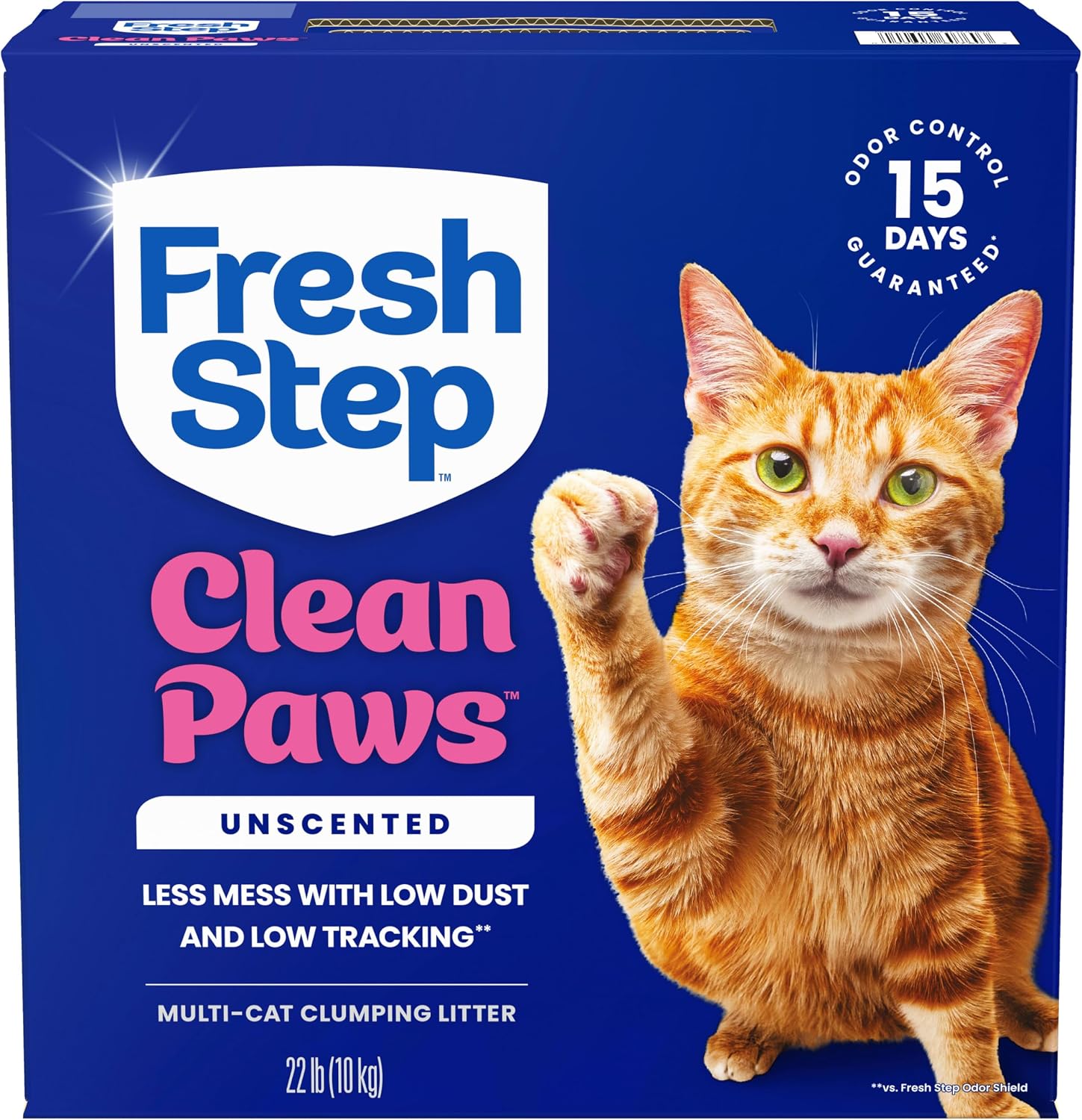
Where it fits: Larger-particle clay and a smaller bag suit the exit-path plan, while activated-carbon positioning is acceptable to the household.
Skip when: A cat dislikes the granule texture, the household wants a plant-based product or carbon/brand odor claims are being treated as a replacement for scooping.
The listing supports the package, unscented clay, larger-particle and carbon story. Actual tracking and odor results are not verified here.
Check current price on Amazon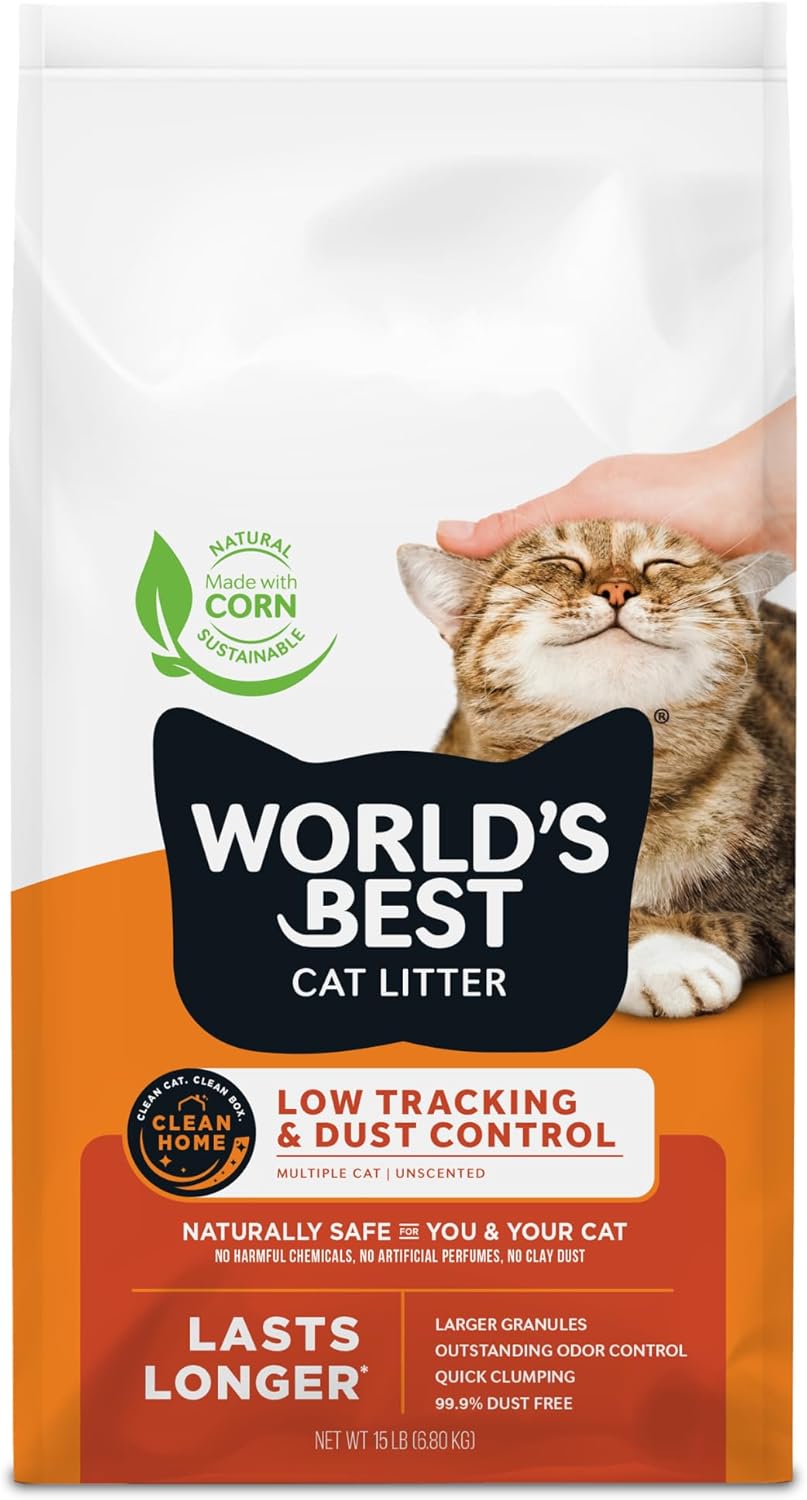
Where it fits: A lighter whole-kernel corn material is preferred, and the household is willing to test whether the cats accept a non-clay texture.
Skip when: The cats prefer clay, plant ingredients are unsuitable, or the purchase depends on broad safety, environmental or flushability claims.
The listing supports the material, package and product positioning. Check plumbing, septic and local wastewater rules before considering disposal by flushing.
Check current price on Amazon
Where it fits: Two smaller packages are easier to move and store than a single 40-pound bag, while the household still wants clumping clay and low-tracking positioning.
Skip when: A two-pack is more product than needed, the cats reject the blend, or percentage and odor-duration claims are the main reason for buying.
The listing supports the exact two-pack, unscented dual-clay and lighter-package positioning. Its percentages and time claims remain unverified product claims.
Choose by the recurring routine. Ultra and Clean Tracks suit someone comfortable with a 40-pound clay bag. Clean Paws changes particle and package strategy. World's Best changes material. Cat's Pride changes lifting and storage. The household still needs enough boxes, preference testing, daily scooping and an exit-path plan with every option.
Check current price on AmazonA 40-pound bag may reduce how often a multi-box household buys litter, but the weight is not a minor detail. The bag has to be carried from delivery or a vehicle, stored in a dry place, opened and poured without a spill. That task repeats. A product that is difficult to handle can lead to underfilled boxes or unsafe lifting.
Check the full route before ordering: doorway width, stairs, storage shelf height and the distance from storage to each box. Keeping a heavy bag on the floor may make pouring awkward; placing it on a high shelf may make retrieval unsafe. If the bag will be decanted, use a dry, secure container and preserve the product identity/instructions needed by the household.
Smaller 22- or 15-pound packages can be easier to lift and distribute across floors. Two smaller bags may also be stored separately. The tradeoff is more packaging and potentially more frequent replacement. Without current price and usage data, this page cannot declare a cheaper or longer-lasting route.
Pour slowly near the box rather than from shoulder height. A dramatic visible cloud during pouring is not a scientific dust measurement, but it is a practical signal to change the handling method, ventilation or product choice. Stop and seek medical advice if anyone experiences symptoms; do not use this guide to diagnose the cause.
Dr. Elsey's positions Ultra for some sifting or mechanical boxes, but that is not universal compatibility. Automatic boxes can specify clumping speed, granule size, weight, fill line and prohibited materials. Check the exact machine manual and current litter instructions before use. A bag label cannot prove that a robot will cycle correctly.
Kittens and senior cats may need a lower entrance. A box that contains tracking with high walls can become difficult to enter. AAHA guidance also emphasizes appropriate box size. Adjust the box before blaming the litter when a cat struggles to turn, dig or exit.
Cats with urinary history may prefer unscented clumping litter in some circumstances, according to AAHA guidance, but a product is not a treatment. Straining, frequent attempts, blood, vocalizing, sudden avoidance or reduced urine can require urgent veterinary assessment. Do not delay care while trying another litter.
House-soiling also has medical, behavioral and environmental causes. Optimize box access and cleanliness, but seek qualified help when the problem persists or starts suddenly. Product cards should never be used as a substitute for diagnosis.
Start with the boxes, not the bag. For a two-cat home, use the AAHA rule of thumb as a planning point and identify three accessible, quiet locations rather than putting every box side by side. Check that each box is large enough, has a workable entrance and gives the cat a clear way out.
If the cats currently use another litter reliably, introduce Ultra in one comparable clean box instead of changing every box. Keep the existing litter available. Observe repeated use, digging, exit behavior, clump removal and granules on the mat. The 40-pound package makes sense only if the cats accept it and the household can handle it safely.
Scoop daily. In a busy multi-cat box, check more often. Watch whether urine clumps stay intact until removal, stick to the bottom or break into contaminated fragments. Adjust box depth, timing and cleaning before making a product-wide conclusion from one clump.
Map the exit path. If granules gather in front of the box, enlarge or reposition the mat. If they appear around several sides, reconsider box shape and how the cats leave. If they travel through the home, compare another particle/material route after the basic setup is corrected.
Ultra's evidence-backed role is a dense, unscented, medium-grain clay route in a 40-pound bag. This page cannot show that it tracks less, produces less dust, controls odor longer or forms stronger clumps than the alternatives.
This guide combines exact Amazon configurations, Dr. Elsey's product documentation, AAHA/AAFP litter-box guidance and current searcher questions. Reviews and community discussions informed the issues covered but were not quoted or treated as proof.
No litter was purchased, poured, weighed, dust-tested, tracked, smelled, clumped, scooped, flushed or used by cats for this article. There is no controlled measurement of airborne dust, floor scatter, clump strength, odor duration, absorption, cat preference, bag-to-bag consistency or automatic-box performance.
Product titles, images, materials and packages were checked on July 11, 2026 and should be refreshed before publication. Prices, coupons, ratings, review counts, availability and delivery language are deliberately omitted.
Last reviewed: July 11, 2026.
No litter can promise zero tracking in every home. Particle size and weight matter, but paws, fur, digging, box shape, exit path, mat size and cleaning also affect how far granules travel.
AAHA gives one box per cat plus one additional box as a rule of thumb. Place boxes in separate quiet, accessible locations rather than crowding them together.
Unscented avoids added fragrance; it does not remove the odor source. Enough boxes, daily scooping and regular cleaning remain essential. Product odor-control claims are not fixed guarantees.
Offer the candidate and current litter in separate comparable boxes, keep both clean and accessible, and observe repeated use. Do not replace every accepted box at once. Seek veterinary help for sudden avoidance or urinary signs.
Not universally. Clumping litter supports removal of urine-bound material, while non-clumping materials create a different cleaning routine. Cat preference, health guidance, box setup and household maintenance capacity decide the better fit.
A workable multi-cat setup has enough accessible boxes, a litter the cats accept, a managed exit path, and a daily scooping routine. Product material and package size should support those four conditions.