Choose a visible zone
Use a hard floor, pen, or gated area where the puppy can find the same target every time.
Apartment house training
A leak-proof puppy pad is not a magic training system. It is a managed toileting surface for moments when a puppy cannot get outside fast enough, when an apartment elevator or winter stairwell slows the routine, or when an older or unwell dog needs a backup spot. Amazon Basics B00MW8G62E fits the simple disposable version of that job: blue-and-white pads with a visible absorbent center and floor-protection backing.
VCA's house-training guidance frames toileting as conditioning: consistency, supervision, and positive reinforcement teach the dog where to eliminate. That is the right lens for puppy pads. The pad is only the surface. The training comes from placing it in the same visible spot, guiding the puppy there at predictable times, rewarding correct use, cleaning accidents with an enzymatic cleaner, and gradually changing the routine when the dog is ready.
Apartment owners often need pads because the time between "puppy starts sniffing" and "puppy is outside" is too long. Elevators, hallway distance, cold weather, work calls, and nighttime urgency create a delay. A pad inside a pen can protect the floor during that gap. It does not mean the dog understands outdoor potty rules. If the long-term goal is outdoor toileting, the pad should be treated as a bridge, not a permanent signal that any soft square on the floor is acceptable.
Amazon Basics B00MW8G62E makes sense when the household wants a disposable, visible target and quick cleanup. Its product image shows the familiar blue border and white absorbent center, which helps the owner make a consistent visual station. The useful question is not whether the pad is "leak proof" in isolation. The question is whether the setup prevents edge misses, keeps the pad from sliding, separates the rest area from the potty area, and gets changed fast enough that the floor and habit both stay clean.
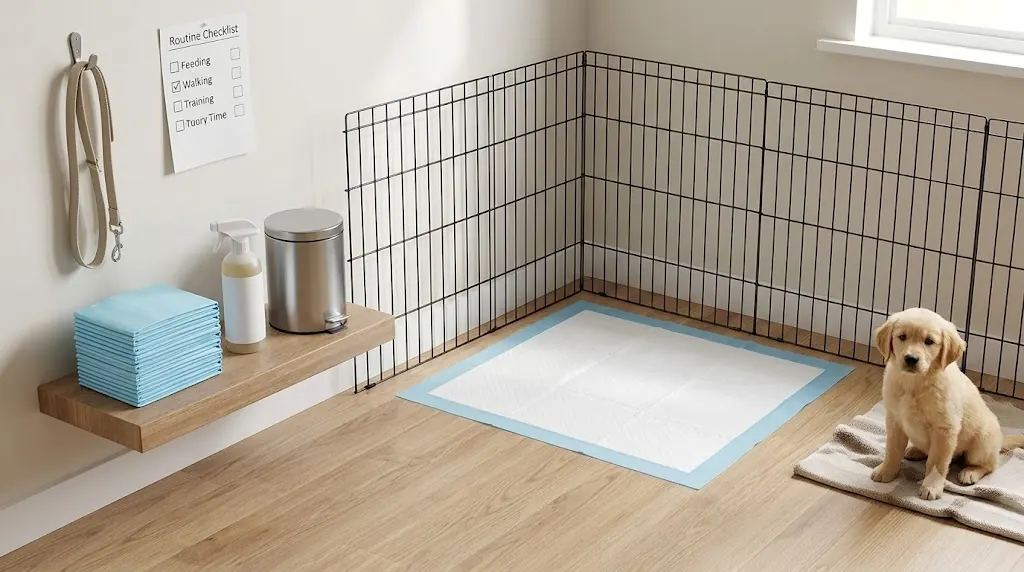
A pad can fail because it leaks, but it can also fail because the layout is wrong. If the pad is tucked behind furniture, half under a crate, or placed in a high-traffic hallway, the puppy has to guess. If it is next to bedding, the dog may step off the pad before finishing or drag bedding across the wet area. VCA notes that a long-absence setup can include a resting spot and an appropriate toileting substrate in a divided crate, exercise pen, or gated enclosure. That separation is the heart of a good apartment pad setup.
For floor protection, the first layer is location. Hard flooring is easier than carpet. A corner beside a door, pen, or washable mat is easier than a middle-of-room target. The second layer is pad size. A 22 x 22 inch pad can work for small puppies and controlled setups, but it is less forgiving for larger puppies, dogs that circle before eliminating, or owners who cannot supervise the first few weeks closely. The third layer is change timing. A wet pad that remains in place too long can become an odor cue and a paw-tracking problem.
Use a hard floor, pen, or gated area where the puppy can find the same target every time.
Keep the pad away from bedding and food so the puppy learns distinct spaces.
Guide the puppy to the pad after naps, meals, drinks, play, and crate exits.
Use enzymatic cleanup so old odor does not mark the wrong floor spot.
Most puppy pad listings talk about layers, quick-dry tops, leak-proof backing, and absorbency. Those features matter, but edge control is often the real apartment issue. A puppy may start on the pad and finish partly off it. A dog may circle, step backward, or aim near the corner. A light pad can shift under fast paws. A folded corner can send liquid toward the floor even if the center absorbs well.
That is why the regular Amazon Basics style should be judged as a controlled target, not a universal floor shield. It fits a predictable puppy, a small pen, or a short backup window. If misses cluster at the edge, moving to an XL pad may solve more than changing brand. If sliding is the problem, a holder or a washable mat with grip may matter more than absorbent layers. If chewing is the problem, the answer may be supervision and safer confinement rather than a thicker disposable pad that still tears.
| Problem pattern | Likely cause | Better product direction |
|---|---|---|
| Wet edge outside the pad | Target too small, puppy circles, pad folded, or pad placed too close to a wall. | Larger disposable pad or holder with clearer boundary. |
| Pad slides or bunches | Fast movement, slick floor, or puppy pawing at corners. | Holder, washable nonslip pad, or smaller supervised pen. |
| Odor builds quickly | Pad left too long, poor airflow, or cleanup supplies too far away. | More frequent changes, lidded trash, enzyme cleaner, or reusable wash schedule. |
| Puppy chews the pad | Boredom, access without supervision, or texture interest. | More supervision, safer toys, holder, or veterinarian/trainer advice if ingestion risk appears. |
| Outdoor training stalls | Indoor pad becomes the only rewarded surface. | Move pad closer to exit, add outdoor reward routine, and reduce indoor reliance gradually. |
VCA recommends frequent breaks for puppies, including after meals, drinks, naps, play, waking, and crate time. That schedule is still relevant when pads are used. If the owner waits until the puppy has already made a mistake, the pad becomes a cleanup product rather than a training product. The puppy should be guided to the pad before the accident and rewarded for choosing the correct surface.
The second mistake is punishing accidents. VCA explicitly warns against punishment and nose-rubbing because the puppy may learn to avoid toileting near people instead of learning the correct location. For pad users, that means mistakes should trigger a quieter review: Was the pad visible? Was the puppy supervised? Was the break schedule realistic? Was the old odor cleaned? Is the dog old enough to hold it? A pad cannot fix an unrealistic bladder schedule.
The third mistake is ignoring medical or age-related changes. A puppy that cannot improve, a trained adult dog that suddenly starts soiling indoors, or a senior dog with new accidents may need veterinary guidance. Pads can protect floors during the investigation, but they should not hide a health problem or replace a plan for mobility, pain, urinary issues, anxiety, or cognitive changes.
Five close options
These products stay close to the same job: dog and puppy pads for indoor potty training, apartment floor protection, and controlled cleanup. Pad holders and broad baby/adult underpads were excluded from the visible set because they solve adjacent but different problems.
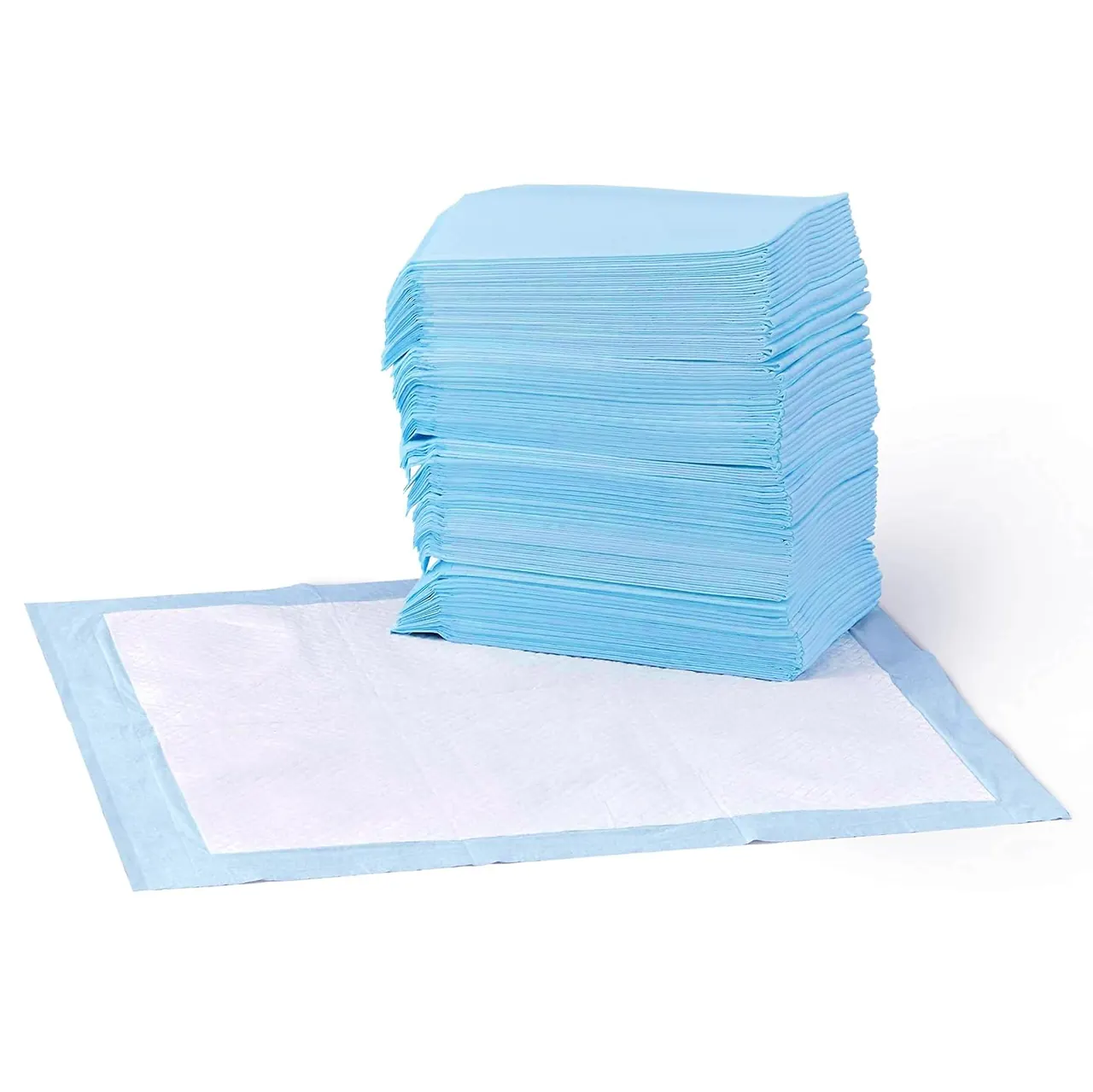
ASIN B00MW8G62E
Best fit: Best fit when the apartment setup needs a simple disposable pad for a puppy pen, short absence window, senior-dog backup, or controlled training corner.
Skip when: Skip when the dog shreds pads, needs a larger target area, has repeated medical accidents, or the owner wants a washable system.
Check current price on Amazon
ASIN B00MW8G3YU
Best fit: A close same-family option when the buyer wants Amazon Basics pads but needs to compare current count, size, scent, or pack configuration.
Skip when: Skip if the exact ASIN and size/count from this page are required for a repeat purchase.
Check current price on Amazon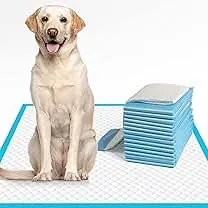
ASIN B08ZS7JTRK
Best fit: Useful when missed edges are the main issue and the dog needs a larger disposable target area inside a pen or apartment corner.
Skip when: Skip when storage space, per-pad cost, or a small puppy's limited training area matters more than coverage.
Check current price on Amazon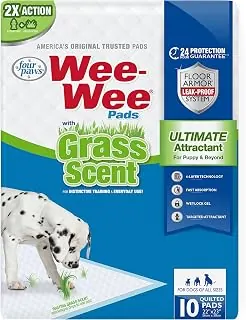
ASIN B08VYGMJCW
Best fit: Fits buyers who want a scented or grass-cue pad while moving a puppy toward an outdoor-potty association.
Skip when: Skip when scents confuse the dog, the household wants unscented pads, or the transition plan is already working without scent cues.
Check current price on Amazon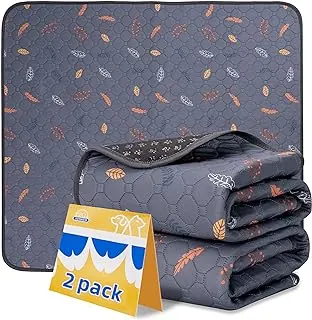
ASIN B0C9DV1HSX
Best fit: A reusable alternative for households that want less disposable waste and can wash pads often enough to control odor and hygiene.
Skip when: Skip when laundry access is limited, the dog chews fabric, or the user needs quick single-use cleanup during early training.
Check current price on AmazonProduct links are sponsored links. Use Amazon to verify current size, count, scent, pad type, variant, availability, and final checkout information.
The primary Amazon Basics pad is a good default when the owner wants a simple disposable surface and the training setup is already controlled. It belongs in a pen, near an exit, or in a small hard-floor zone where the puppy sees the same target every time. It is also useful as a backup for weather, travel, short absences, or senior dogs when the household needs predictable cleanup.
It is weaker when the owner is trying to solve every accident with a small pad. If the dog is missing the edge, buy more target area or change the layout. If the dog shreds pads, do not keep offering loose disposable material without supervision. If the pad is only being used because outdoor breaks are too infrequent, the training plan needs a schedule change, neighbor/dog-walker help, or a different confinement plan.
This page does not claim hands-on absorbency testing, odor testing, chewing resistance, ownership, or veterinary diagnosis. It uses the Amazon listing and product media for the Amazon Basics product identity, disposable blue-and-white pad format, and product-set comparison. It uses VCA's house-training guidance for the training logic: consistency, supervision, positive reinforcement, appropriate toileting substrate, enzymatic cleanup, and veterinary consultation when a previously trained dog starts soiling indoors.
They can be useful when outside access is slow, but they work best with supervision, a consistent spot, rewards, and cleanup. They should not replace the training routine.
They help when the dog lands in the absorbent center and the pad stays flat. Edge misses, folded corners, and late changes can still put moisture on the floor.
Choose regular pads for small puppies and controlled pens. Choose XL pads when the dog circles, misses edges, or needs a larger target area.
Do not leave loose disposable pads as an unsupervised chew object. Use tighter supervision, a holder, a different confinement setup, or professional advice if ingestion risk appears.
Choose Amazon Basics B00MW8G62E when the apartment setup is simple: a visible hard-floor pad station, a young puppy or backup-use dog, and a household that will change pads and reward the right spot. Move to larger, secured, scented, or washable pads when the problem is edge misses, sliding, scent cues, waste, or laundry tradeoffs.