Health & Household > Household Supplies > Household Cleaning > Bathroom Cleaners > Toilet Cleaners · Toilet Cleaners
Guide to a cleaner toilet bowl cleaner that removes stains and disinfects
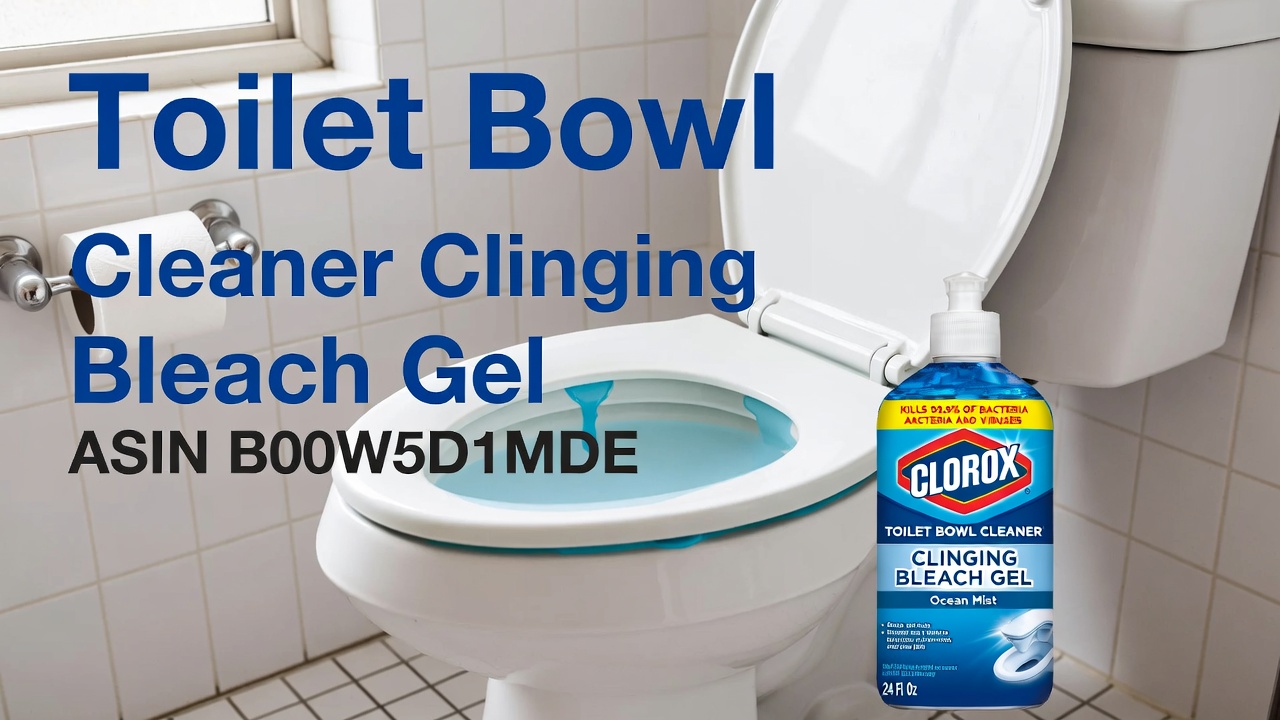
The primary product's thick clinging gel formula is designed to dissolve stains for deep-down cleaning, targeting unsightly toilet rings as well as mold and mildew stains. This bleach-based gel coats the bowl and rinses away, providing a non-abrasive clean. In contrast, bleach-free alternatives, such as those using hydrogen peroxide, also claim to remove
Stain Removal Efficacy of Clinging Gel Formulas
| Answer | The primary product's thick clinging gel formula is designed to dissolve stains for deep-down cleaning, targeting unsightly toilet rings as well as mold and mildew stains. This bleach-based gel coats the bowl and rinses away, providing a non-abrasive clean. In contrast, bleach-free alternatives, such as those using hydrogen peroxide, also claim to remove stains like limescale, rust, and hard water, but they lack the specific bleaching action that brightens and whitens the bowl. The primary product's bleach formula not only removes stains but also kills 99.9% of germs, offering a dual action that bleach-free options may not match. While both types can be effective, the primary product's clinging gel ensures prolonged contact with stains, enhancing its dissolving power. |
|---|---|
| Why it matters | The primary product's stain removal efficacy is rooted in its bleach-based formula, which is a strong oxidizing agent that breaks down organic compounds in stains like toilet rings, mold, and mildew. The thick clinging gel formula is crucial because it adheres to the bowl surface, allowing the bleach to remain in contact with stains for a longer period, which enhances dissolution. This is supported by the product's claim of '3X CLEANING ACTION' that destroys stains, deodorizes, and clings 50% longer. The angled bottle design, as noted in community reviews, helps apply the gel under the rim where buildup occurs, ensuring thorough coverage. In comparison, bleach-free alternatives, such as those with hydrogen peroxide, work through oxidation but are generally less aggressive on tough organic stains. The primary product's non-abrasive bleach formula also prevents scratching the porcelain, maintaining the bowl's surface integrity. The product's ability to kill odor-causing bacteria further contributes to its stain removal by addressing the source of some discoloration. Community reviews consistently report satisfaction with the cleaning and stain removal, with one user noting the need to let it sit for a few minutes before scrubbing, indicating the gel's effectiveness when given time to work. However, these are individual experiences and not universal proof, but they align with the product's stated capabilities. |
| How to apply it | To maximize stain removal with the primary product, apply the thick clinging gel directly to the toilet bowl, using the angled bottle to target under the rim where buildup tends to occur. Squeeze the gel around the bowl's interior, ensuring full coverage of any visible stains, such as toilet rings or mold and mildew spots. Allow the gel to sit for a few minutes, as recommended by community users, to let the bleach dissolve the stains. For heavy buildup, you may need to apply a second coat, as some users have noted. After letting it sit, scrub the bowl with a toilet brush to lift any remaining residue, then flush to rinse away the gel and loosened stains. The gel's clinging action ensures it stays in place, even on vertical surfaces, providing prolonged contact. For best results, use this product regularly, as the deodorizing clean helps prevent odors and maintain a fresh bowl between cleanings. While the product is effective on its own, some users pair it with a toilet wand for added scrubbing power. Always follow the product instructions and avoid mixing with other cleaners, especially those containing ammonia, to prevent harmful fumes. |
| Limit | The primary product's stain removal efficacy is limited to the claims and observations provided; it may not remove all types of stains, such as severe mineral deposits or rust, which are better addressed by bleach-free alternatives like those with hydrogen peroxide. The product's bleach formula may not be suitable for all surfaces, and it should not be used on metal or certain non-porcelain materials. Additionally, the product's effectiveness depends on proper application and dwell time; insufficient contact time may reduce stain removal. While the product kills 99.9% of germs, this claim is based on the product's own description and not independently verified in the provided evidence. Community reviews are individual experiences and cannot be generalized; one user mentioned the need for a second coat on heavy buildup, indicating that stubborn stains may require extra effort. The product's bleach scent, though described as refreshing Ocean Mist, may be strong for some users, and it is not a bleach-free option for those seeking eco-friendly alternatives. Finally, the product's stain removal is limited to the toilet bowl; it is not intended for use on other surfaces, despite one user's report of using it on a sink, which is not a universal recommendation. |
Disinfection and Odor Control: Bleach vs. Bleach-Free
| Answer | Bleach-based toilet bowl cleaners, such as the Clorox Clinging Bleach Gel, kill 99.9% of germs and odor-causing bacteria, providing strong disinfection and odor prevention. Bleach-free alternatives, like those using hydrogen peroxide, also kill 99.9% of germs and sanitize, but may lack the same whitening effect. The choice depends on whether you prioritize maximum stain removal and whitening (bleach) or a gentler, septic-safe formula (bleach-free). |
|---|---|
| Why it matters | The primary product, Clorox Clinging Bleach Gel, is formulated with Clorox bleach to kill 99.9% of germs, including odor-causing bacteria, and to prevent odors. Its thick clinging gel formula coats the bowl, allowing the bleach to work on stains and disinfect effectively. Community reviews confirm that users appreciate its disinfecting power and fresh scent, with one noting it 'kills bacteria that causes odor' and leaves the toilet 'very fresh and disinfected.' However, these are individual experiences, not universal proof. In contrast, bleach-free options like the OXI Action gel use hydrogen peroxide to kill 99.9% of germs and are described as sanitizing and deodorizing, but they do not contain bleach, which may be preferable for those avoiding harsh chemicals. The bleach-free formula is also septic safe, a feature not claimed for the bleach-based product. While both types achieve high-level disinfection, bleach-based cleaners are traditionally associated with whitening and stain removal, as seen in the Clorox product's claim to 'brighten and whiten your bowl.' Bleach-free alternatives may require more scrubbing for tough stains like limescale, though the OXI Action product claims to remove limescale, rust, and hard water. Ultimately, the choice hinges on your preference for bleach's strong whitening and odor control versus a bleach-free, potentially more environmentally friendly option. |
| How to apply it | To use a bleach-based cleaner like the Clorox Clinging Bleach Gel, apply the gel under the rim using the angled bottle design, ensuring it coats the bowl. Let it sit for a few minutes to allow the bleach to disinfect and break down stains, then scrub and flush. For odor control, the bleach kills odor-causing bacteria, and the Ocean Mist scent leaves a refreshing fragrance. For bleach-free options, apply similarly, but note that hydrogen peroxide may require longer contact time for tough stains. Always follow the product's instructions for contact time and safety. In households with septic systems, a bleach-free, septic-safe formula is recommended to avoid potential damage. For routine maintenance, using a bleach-based cleaner every 2-4 weeks, as one reviewer mentioned, can help maintain freshness and prevent buildup. |
| Limit | Bleach-based cleaners can be harsh on sensitive skin and may produce strong fumes, which some users find unpleasant. They are not suitable for all surfaces and should not be mixed with other cleaners. Bleach-free alternatives, although gentler, may not whiten as effectively and could require more effort on stubborn stains. The Clorox product's claim of killing 99.9% of germs is based on the product's own testing; individual results may vary. Community reviews are subjective and do not guarantee universal outcomes. Additionally, bleach-based products are not septic-safe, which is a limitation for some households. |
Ease of Application and Longevity of Cleaning Effect
The Clorox Toilet Bowl Cleaner Clinging Bleach Gel is designed for easy application and long-lasting cleaning. Its wide dispensing bottle and thick clinging gel formula allow it to coat the bowl and rinse away, while the angled bottle design helps users reach under the rim where buildup occurs. The gel clings 50% longer, and users report needing to clean only every 2-4 weeks, with the product effectively removing stains, disinfecting, and controlling odors between uses. The product's ease of use stems from its physical design and formula. The wide dispensing bottle and thick clinging gel ensure the cleaner adheres to the bowl's surface instead of running off immediately, allowing it to work on stains and germs. The angled bottle design, as noted in community reviews, makes it easier to reach under the rim, a common area for buildup. This design, combined with the gel's cling, means users can apply the product and let it sit for a few minutes before scrubbing, as one reviewer described. The longevity of the cleaning effect is supported by the product's claim to cling 50% longer, which extends the contact time with the bowl, enhancing stain removal and disinfection. Additionally, the formula kills odor-causing bacteria and prevents odors, contributing to a longer-lasting fresh feel. Community experiences vary, with one user reporting cleaning every 2-4 weeks, while another mentioned needing a second coat on heavy buildup, indicating that longevity can depend on the severity of stains. The product's non-abrasive bleach formula also helps maintain the bowl's surface, potentially reducing the frequency of deep cleaning. Overall, the combination of design and formula supports both easy application and sustained cleaning performance. To apply, use the wide dispensing bottle to squeeze the thick clinging gel around the inside of the toilet bowl, ensuring coverage from the rim to the waterline. The angled bottle design helps direct the gel under the rim where buildup tends to accumulate. After application, allow the gel to sit for a few minutes to dissolve stains and disinfect; for heavy buildup, a second coat may be necessary, as some users have found. Then, scrub the bowl with a toilet brush to remove any remaining residue, and flush to rinse away the gel. The gel's clinging action means it stays in place during the wait, and its 50% longer cling ensures it doesn't slide off prematurely. For ongoing odor control, the formula kills odor-causing bacteria, so regular use every 2-4 weeks, as reported by some users, can maintain a fresh and clean toilet. The product is suitable for use in homes and can be incorporated into a regular bathroom cleaning routine. Always follow the instructions on the label for safe and effective use. While the product is effective for many, its longevity and ease of application can vary based on individual circumstances. Some users may find that heavy buildup requires a second coat, which could reduce convenience and extend cleaning time. The product's bleach-based formula may not suit all users, particularly those with sensitivities, though this is not a universal limitation. The angled bottle design, while helpful, may not work as well for all toilet shapes, and the gel's cling could be less effective on very rough or porous surfaces. Additionally, the reported cleaning frequency of every 2-4 weeks is based on individual experiences and may not apply to all households, especially those with high usage or hard water. The product's effectiveness in controlling odors depends on regular use, and its scent may not appeal to everyone. These limitations are not universal but reflect the variability in user experiences and conditions.
Bleach-Based vs. Bleach-Free Toilet Bowl Cleaners
| Answer | When choosing a toilet bowl cleaner, the primary decision is between bleach-based and bleach-free formulas. The Clorox Toilet Bowl Cleaner Clinging Bleach Gel is bleach-based, designed to kill 99.9% of germs, brighten and whiten the bowl, and remove stains like toilet rings, mold, and mildew. Its thick clinging gel clings 50% longer, ensuring thorough coverage and deodorizing by killing odor-causing bacteria. In contrast, bleach-free alternatives, such as the Toilet Bowl Cleaner Heavy-Duty Gel (Arctic Clean) or the OXI Action Clinging Gel, use hydrogen peroxide or other oxygen-based agents. These are often marketed as septic-safe and gentler on surfaces, but may require more scrubbing for tough stains. User reviews of the Clorox product highlight its angled bottle for easy application under the rim and its effectiveness with minimal effort. However, bleach-free options appeal to those avoiding strong bleach odors or seeking eco-friendlier choices. Ultimately, bleach-based cleaners offer powerful disinfection and stain removal, while bleach-free versions provide a milder, often safer alternative for sensitive surfaces and septic systems. |
|---|---|
| Why it matters | The comparison between bleach-based and bleach-free toilet bowl cleaners centers on their active ingredients and how they address the user's needs for stain removal, disinfection, and odor control. The primary product, Clorox Toilet Bowl Cleaner Clinging Bleach Gel, contains bleach, a potent oxidizing agent that breaks down organic stains and kills a wide range of pathogens. The manufacturer claims it kills 99.9% of germs, a claim typical for bleach-based disinfectants. The thick clinging gel formula ensures the bleach stays in contact with the bowl surface longer, enhancing its cleaning action. This is supported by the product's claim of clinging 50% longer, which allows the active ingredients to dissolve stains like toilet rings, mold, and mildew effectively. Additionally, the bleach formula deodorizes by killing odor-causing bacteria, addressing the user's desire for odor control. User reviews corroborate these benefits, with one reviewer noting that the angled bottle design makes it easy to apply under the rim, and another mentioning that it leaves the toilet clean and fresh. However, bleach has a strong smell and can be harsh on certain surfaces, a consideration for users with sensitivities. On the other hand, bleach-free cleaners, such as the OXI Action Clinging Gel, use hydrogen peroxide as the active ingredient. Hydrogen peroxide is also an effective disinfectant and stain remover, but it is generally milder and less corrosive than bleach. These products are often marketed as septic-safe and free of bleach, appealing to users who prefer a more environmentally friendly option or who have septic systems. The trade-off is that bleach-free formulas may require more effort to remove stubborn stains, as they are less aggressive than bleach. The OSHA authority source emphasizes the importance of sanitary restroom conditions, underscoring the need for effective cleaning and disinfection, but it does not validate specific product claims. Therefore, the choice between bleach-based and bleach-free depends on the user's priorities: maximum disinfection and stain removal versus gentler, more eco-friendly cleaning. |
| How to apply it | To apply this comparison in a practical context, consider the user's specific cleaning needs and preferences. For households with high traffic or where thorough disinfection is a priority, a bleach-based cleaner like the Clorox Clinging Bleach Gel is ideal. Its thick gel clings to the bowl, allowing the bleach to work on stains and germs over time. The angled bottle design, as noted in user reviews, facilitates reaching under the rim where buildup occurs. Users can apply the gel, let it sit for a few minutes, then scrub and flush for a clean, disinfected bowl. This product is particularly effective for removing toilet rings, mold, and mildew, and its deodorizing action keeps the bathroom fresh. For those who are sensitive to bleach fumes or prefer a more natural approach, bleach-free options like the OXI Action Clinging Gel offer a viable alternative. These are suitable for septic systems and are less likely to cause irritation. However, users may need to scrub more vigorously or use the product more frequently to achieve the same level of stain removal. In commercial settings, such as workplaces, OSHA requires sanitary restroom conditions, and both types of cleaners can meet this need, but bleach-based products may provide a stronger guarantee of disinfection. Ultimately, the application should align with the user's tolerance for bleach, the severity of stains, and the type of plumbing system. For best results, always follow the manufacturer's instructions and test on a small area if unsure. |
| Limit | This comparison is limited by the available evidence. The primary product's claims, such as killing 99.9% of germs and clinging 50% longer, are from the manufacturer and have not been independently verified. User reviews are individual experiences and do not constitute universal proof of efficacy. The bleach-free alternatives are represented only by their titles, which mention features like '0% Bleach' and 'Hydrogen Peroxide,' but detailed performance data is not provided. The OSHA source establishes the importance of sanitary restrooms but does not test or validate any specific product's effectiveness. Additionally, the historical boundary applies: the OSHA information is from a general overview and does not pertain to the current model of the Clorox product. Therefore, while the comparison highlights general differences between bleach-based and bleach-free cleaners, actual performance may vary based on specific formulations and usage conditions. Users should consider their own needs and possibly test products to determine which works best for their situation. |
Decision summary
| Ideal for removing tough toilet stains and disinfecting | Homeowners and renters who regularly clean their toilets; People who prioritize disinfection and stain removal in bathroom cleaning; Individuals who prefer a thick clinging gel formula for effective cleaning |
|---|---|
| May not be suitable for sensitive skin or septic systems | This comparison is limited by the available evidence. The primary product's claims, such as killing 99.9% of germs and clinging 50% longer, are from the manufacturer and have not been independently verified. User reviews are individual experiences and do not constitute universal proof of efficacy. The bleach-free alternatives are represented only by their titles, which mention features like '0% Bleach' and 'Hydrogen Peroxide,' but detailed performance data is not provided. The OSHA source establishes the importance of sanitary restrooms but does not test or validate any specific product's effectiveness. Additionally, the historical boundary applies: the OSHA information is from a general overview and does not pertain to the current model of the Clorox product. Therefore, while the comparison highlights general differences between bleach-based and bleach-free cleaners, actual performance may vary based on specific formulations and usage conditions. Users should consider their own needs and possibly test products to determine which works best for their situation. |
Similar Products

Clorox Toilet Bowl Cleaner Clinging Bleach Gel, Kills 99.9% of Bacteria and Viruses, Ocean Mist, 24 Fl Oz, Pack of 2
B00W5D1MDE
Ideal for removing tough toilet stains and disinfecting
- CLEANS AND DISINFECTS: Use the only toilet bowl cleaning solution with Clorox bleach to kill 99.9% of germs (2)
- THICK CLINGING GEL: With a wide dispensing bottle and a powerful clinging gel formula, this disposable toilet
- REMOVES STAINS: The thick coating formula in this Clorox cleaner dissolves stains for deep down cleaning, targeting
May not be suitable for sensitive skin or septic systems
- The supplied product observation records product identity only.

Toilet Bowl Cleaner Heavy-Duty Gel, Arctic Clean, Bleach-Free Stain Remover, Kills 99.9% of Germs, 24 oz, Pack of 2
B0FMWRRZSY
Ideal for removing tough toilet stains and disinfecting
- Toilet Bowl Cleaner Heavy-Duty Gel, Arctic Clean, Bleach-Free Stain Remover, Kills 99.9% of Germs, 24 oz, Pack of 2
May not be suitable for sensitive skin or septic systems
- The supplied product observation records product identity only.

Toilet Bowl Cleaner Clinging Bleach Gel - Cool Wave, 24 Fl Oz (Pack of 2)
B005KL9B2M
Ideal for removing tough toilet stains and disinfecting
- Toilet Bowl Cleaner Clinging Bleach Gel - Cool Wave, 24 Fl Oz (Pack of 2)
May not be suitable for sensitive skin or septic systems
- The provided product record contains only identity information.

Toilet Bowl Cleaner Clinging Gel, OXI Action, 0% Bleach, 24 oz, 4Pack | Sanitizing, Deodorizing, Septic Safe, Bleach Free, Hydrogen Peroxide, Removes Limescale, Rust & Hard Water, Bathroom Cleaner
B0H5CH8VRQ
Ideal for removing tough toilet stains and disinfecting
- Toilet Bowl Cleaner Clinging Gel, OXI Action, 0% Bleach, 24 oz, 4Pack | Sanitizing, Deodorizing, Septic Safe, Bleach
May not be suitable for sensitive skin or septic systems
- The provided product record contains only identity information.
Toilet Bowl Cleaner Bleach, Fresh Breeze Scent 24 Ounces (Package May Vary)
B000VDX2TW
Ideal for removing tough toilet stains and disinfecting
- Toilet Bowl Cleaner Bleach, Fresh Breeze Scent 24 Ounces (Package May Vary)
May not be suitable for sensitive skin or septic systems
- The provided product observation contains only product identification details.
Final caveat
This comparison is limited by the available evidence. The primary product's claims, such as killing 99.9% of germs and clinging 50% longer, are from the manufacturer and have not been independently verified. User reviews are individual experiences and do not constitute universal proof of efficacy. The bleach-free alternatives are represented only by their titles, which mention features like '0% Bleach' and 'Hydrogen Peroxide,' but detailed performance data is not provided. The OSHA source establishes the importance of sanitary restrooms but does not test or validate any specific product's effectiveness. Additionally, the historical boundary applies: the OSHA information is from a general overview and does not pertain to the current model of the Clorox product. Therefore, while the comparison highlights general differences between bleach-based and bleach-free cleaners, actual performance may vary based on specific formulations and usage conditions. Users should consider their own needs and possibly test products to determine which works best for their situation.
The primary product's thick clinging gel formula is designed to dissolve stains for deep-down cleaning, targeting unsightly toilet rings as well as mold and mildew stains. This bleach-based gel coats the bowl and rinses away, providing a non-abrasive clean. In contrast, bleach-free alternatives, such as those using hydrogen peroxide, also claim to remove