Decision before brand
The device list decides whether AA alkaline makes sense
Emergency-kit advice often says to keep extra batteries because a flashlight, radio, or other small device may matter when power is out. That advice is useful, but it is incomplete if the kit simply becomes a mixed pile of random cells. Start by writing down the devices that actually live in your home, car, or work kit. If the flashlight, radio, clock, remote, or toy label says AA, then a small AA alkaline reserve is practical. If the device says AAA, CR2032, lithium primary, built-in rechargeable, or a proprietary pack, AA batteries will not help no matter how many are in the drawer.
Amazon Basics AA alkaline batteries fit the common household role: single-use 1.5-volt AA cells for everyday devices. That makes ASIN B00NTCH52W a reasonable primary example for the page, especially when someone wants a modest pack rather than a large commercial carton. The product does not turn every AA-powered device into an emergency-ready tool, though. A high-drain camera, an outdoor winter sensor, or a device that sits unused for a long time may need a different chemistry or a manufacturer-specific recommendation. The guide should help the reader make that distinction before clicking any product card.
The practical test is simple: list the AA devices, count how many cells each one uses, then keep one replacement cycle plus a small reserve. A household with two remotes and one flashlight may not need 100 cells. A family with several toys, clocks, motion lights, and emergency radios may find a larger pack easier to manage. The best pack size is the one that gets used and rotated before it is forgotten in a hot drawer.
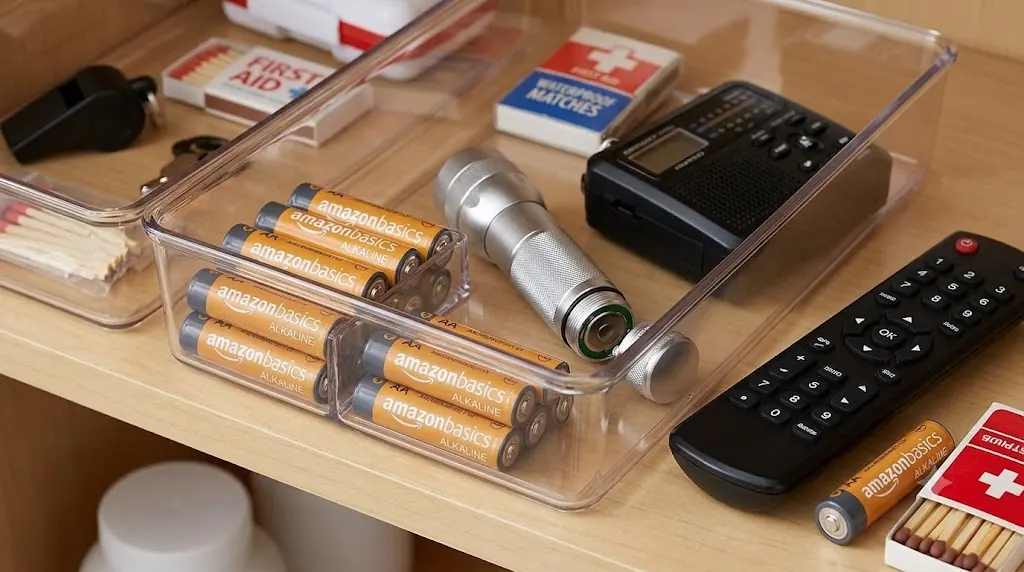
Storage is part of performance
Leakage, heat, and mixed cells are the problems people notice too late
Most household battery failures are not dramatic. A remote stops responding, a flashlight is dim, or a battery compartment shows white crust after sitting untouched. The first prevention step is boring but important: store batteries at normal room temperature in a dry place, away from heat, and keep them in packaging or a divided case. Battery makers commonly warn against hot storage because elevated temperature can reduce capacity and increase leakage or rupture risk. That means a kitchen junk drawer near an oven, a garage shelf that bakes in summer, or a glove compartment in a hot car can be a poor long-term home for alkaline batteries.
The second mistake is mixing cells. When old and new batteries, different brands, or different chemistries are installed together, weaker cells can be driven into conditions that increase leakage risk. In plain language, a device is only as stable as the worst battery in the compartment. If a flashlight takes three AA batteries, replace all three at the same time with the same type. Do not save one half-used battery beside two fresh ones just because the device turns on. That habit is exactly how a low-value battery can damage a more expensive device.
Loose storage creates another avoidable risk. Batteries tossed into a drawer with coins, keys, paper clips, or loose tools can short across terminals. AA alkaline cells are not the same fire concern as some lithium cells, but short circuits and heat are still bad battery handling. A clear organizer, original packaging, or even separate compartments inside an emergency bin keeps the cells visible and reduces the chance that someone grabs the wrong size. It also makes rotation easier because you can put the newest pack behind the older pack instead of mixing everything together.
Keep them cool and dry
Room-temperature storage is enough. Refrigeration is unnecessary for normal household use and can introduce condensation when batteries are moved back into a warm room.
Replace matched sets
When a device uses multiple AA cells, replace the whole set together. Mixing old and new batteries saves little and raises the chance of leakage or poor runtime.
Remove exhausted cells
Take dead batteries out promptly, especially from devices that may sit for months. A forgotten battery compartment is where leakage usually becomes visible.
Avoid loose metal contact
Do not carry loose batteries in pockets or drawers with metal objects. Keep terminals separated by packaging, a case, or a divider.
Chemistry and use case
Alkaline, lithium, and rechargeable AA cells solve different problems
For a household emergency kit, alkaline AA batteries are often the default because they are widely compatible and easy to buy in modest quantities. They are not automatically the best cell for every AA device. Lithium AA cells can be better for cold outdoor conditions, lighter weight, and some long-storage scenarios. Rechargeable NiMH cells can make sense for high-turnover devices like game controllers or toys, but only when the household will keep the charging routine alive. A page that treats all AA cells as interchangeable would be thinner than the decision readers need.
The distinction matters because the emergency kit has a different job from the daily battery drawer. Daily devices reveal weak cells quickly because they are used often. Emergency supplies may sit untouched until a storm, outage, or travel problem. That makes storage conditions, inspection dates, and device labels more important than brand loyalty. Amazon Basics AA alkaline batteries can cover many ordinary household devices, but if your emergency flashlight manufacturer recommends lithium cells for cold weather, follow the device guidance rather than the pack you already own.
| Battery type | Best use | Watch for | How it affects this page |
|---|---|---|---|
| AA alkaline | Remotes, clocks, basic flashlights, toys, radios, and ordinary household spares. | Heat, old/new mixing, leakage in forgotten devices, and bulk packs that sit too long. | Main product set. Use when the device asks for AA and the storage plan is controlled. |
| AA lithium primary | Cold-weather gear, long-storage kits, and some higher-demand devices when the manual allows it. | Higher cost and different disposal/handling expectations. | Alternative to mention, not the product set center for this alkaline page. |
| Rechargeable NiMH AA | High-turnover household devices where charging is part of the routine. | Needs a compatible charger and periodic recharging; weak for neglected emergency bins. | Useful adjacent option, but it belongs in a separate rechargeable guide if it becomes the main decision. |
AA alkaline options
Five AA alkaline options for the same household backup job
The product list stays narrow on purpose. Every card below is an AA alkaline option for household devices or stock-up use. The cards do not include AAA batteries, coin cells, chargers, or power banks because those answer different problems. Use the fit and skip notes to pick a pack size and brand path, then check the current Amazon listing before buying because packaging, sellers, and available pack counts can change.

ASIN B00NTCH52W
Amazon Basics AA alkaline batteries, 20-pack
Fits when: Best fit when the goal is a small household backup set for remotes, flashlights, clocks, and an emergency bin without buying a very large carton.
Skip when: Skip if the device manual calls for lithium primary cells, rechargeable NiMH cells, or a different size such as AAA, C, D, or coin cells.
Check current price on Amazon
ASIN B00MNV8E0C
Amazon Basics AA alkaline batteries, 48-pack
Fits when: Useful for homes that rotate batteries across several rooms and want one larger pack for routine replacement plus a small reserve.
Skip when: Skip if storage discipline is weak or the household only uses a few AA devices each year.
Check current price on Amazon
ASIN B094D541XW
Amazon Basics AA alkaline batteries, 36-pack
Fits when: A middle-size Amazon Basics option when the 20-pack feels too small but a bulk carton would sit untouched for years.
Skip when: Skip if you need a brand-diverse comparison or a battery chemistry built for cold-weather outdoor storage.
Check current price on Amazon
ASIN B004SCA15K
ACDelco AA alkaline batteries, bulk pack
Fits when: A same-chemistry bulk option for households, offices, or shared supply cabinets that burn through AA batteries frequently.
Skip when: Skip if the pack size would encourage long, hot, loose storage or mixing old cells with new cells.
Check current price on Amazon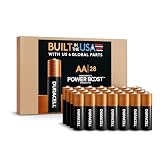
ASIN B0B1DF9NVJ
Duracell Coppertop AA alkaline batteries
Fits when: A branded alkaline alternative for buyers who want the same AA household-device role but prefer Duracell's product line.
Skip when: Skip if the listing pack count, packaging, or seller path does not match your storage and rotation plan at checkout.
Check current price on AmazonMake the kit usable later
A small rotation plan beats a forgotten bulk pack
Buying batteries is easy. Keeping them useful is the part most households skip. Ready.gov recommends maintaining an emergency kit and replacing expired items as needed. Apply the same idea to AA batteries even when the pack advertises a long shelf life. Put a month and year on the battery container, check the kit once or twice a year, and move older unopened cells into daily devices before opening the newest pack. This keeps the emergency kit from becoming a museum of old supplies.
Rotation also helps prevent overbuying. A 20-pack may be enough for a small apartment with a flashlight, two remotes, and a clock. A 48-pack or larger pack can be reasonable for a family with toys, game controllers, several motion lights, and a weather radio. The wrong pack size is not only a money issue. Too many cells can end up in warm storage, loose storage, or mixed-device piles where nobody remembers which batteries are fresh.
Count the devices
Write down each AA device and the number of cells it takes. Keep one replacement cycle plus a small reserve.
Date the container
Mark the month and year you opened or stocked the pack. Review it with the rest of the emergency kit.
Use old stock first
Move older unopened cells into routine devices before opening a new pack for the kit.
Separate spent cells
Keep used batteries out of the fresh-bin path so no one reloads weak cells during an outage.
Source notes
What the cited guidance supports, and what it does not prove
The Amazon listing supports the product identity for B00NTCH52W: Amazon Basics AA alkaline batteries sold as a household-device pack. Ready.gov supports the emergency-kit context because its basic disaster supplies list includes flashlights, battery-powered or hand-crank radios, and extra batteries, and it tells households to maintain kits over time. Energizer's battery-care guidance supports the handling logic used here: follow device instructions, install batteries correctly, remove exhausted cells, avoid mixing old and new cells or different types, store batteries in a cool dry place, and avoid loose metal contact. EPA guidance supports the disposal boundary: battery chemistry affects how used batteries should be managed, and local or state rules may apply.
Those sources do not prove runtime for a particular flashlight, toy, radio, or remote. They also do not prove that one Amazon listing is better than every other AA battery listing. The page's recommendation is narrower: if your devices use AA cells and your use case is ordinary household backup, an organized alkaline AA pack is practical. For cold outdoor storage, high-drain electronics, medical devices, or equipment with specific manufacturer instructions, follow the device manual and choose the chemistry it requires.
Common checks
Questions worth answering before the pack goes in the drawer
Should an emergency kit use alkaline or lithium AA batteries?
Alkaline AA batteries are fine for many indoor household devices and basic kit spares. Lithium AA batteries can be better for cold storage or devices whose manuals recommend them. The device label and storage environment should decide, not the cheapest pack alone.
Can AA batteries stay inside a flashlight for months?
They can, but it is safer to inspect the flashlight on a schedule and remove exhausted cells promptly. If the flashlight will sit unused for a long time, store a matched set beside it and check the contacts before an outage season.
Is it okay to mix brands if all batteries are AA alkaline?
It is better to use the same type and replace the full set together. Mixing brands, ages, or chemistries can reduce performance and increase leakage risk, especially in devices that use multiple cells.
How many AA batteries should a small home keep?
Count the devices first. A small home may only need one replacement cycle for each AA device plus a small reserve. Larger households with toys, radios, flashlights, clocks, and controllers may justify a larger pack, but only if the cells will be stored and rotated well.
Bottom line
Buy for the devices you own, then store the pack like it matters
The best answer is not a single brand verdict. It is a household system: choose AA alkaline cells only for devices that call for AA, keep the cells cool and dry, avoid mixed sets, rotate older stock into daily use, and separate disposal by battery chemistry and local rules. Amazon Basics B00NTCH52W is a practical small-pack example inside that system, while the larger packs and branded alternatives give you scale choices when the device list justifies them.